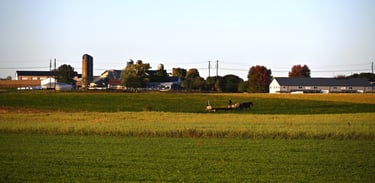
Lancaster County, Pennsylvania is often referred to as Amish Country, but that simple phrase barely scratches the surface of what this region represents. Beyond the rolling farmland, covered bridges, and horse-drawn buggies lies a culture shaped by centuries of faith, discipline, and intentional community. To enjoy a visit to Amish Country, it requires more than sightseeing. It requires understanding, patience, and a willingness to slow down.
This destination guide is designed to help you understand the historical roots of the Amish in Lancaster County and to navigate the area respectfully and confidently, whether you're visiting for a day or staying for a longer, more immersive experience.
A Brief History of the Amish in Lancaster County
The Amish trace their origins to the Anabaptist movement that emerged in Europe during the Protestant Reformation of the 1500s. Anabaptists believed in adult baptism, separation of church and state, and a life of simplicity guided by Scripture. These beliefs brought intense persecution across parts of Switzerland, Germany, and the Alsace region of France.
In the late 1600s, a leader named Jakob Ammann called for stricter church discipline and greater separation from the outside world. His followers became known as the Amish. Seeking religious freedom, many Amish families immigrated to North America in the early 1700s, drawn by William Penn’s promise of tolerance in Pennsylvania.
Lancaster County became one of the earliest and most enduring Amish settlements, beginning around 1737. Fertile farmland, a temperate climate, and relative isolation made the area ideal for agricultural life. Today, Lancaster County is home to one of the largest and oldest Amish communities in the country.
Unlike many historical groups, the Amish are not a people of the past. They are very much present, continuing traditions that have been carefully preserved while adapting selectively to modern realities. Their way of life is governed by the Ordnung, an unwritten set of community guidelines that shapes everything from dress and transportation to technology use and social behavior. These rules vary by church district, which is compromised of about 20-40 families. This is why visitors may notice differences among Amish families within the same region.
Understanding Amish Life Today
Amish life centers on faith, family, and community. Most Amish worship in their homes every other Sunday, rotating among families within a church district. Education ends after the eighth grade, with a strong emphasis on practical skills, vocational training, and moral instruction.
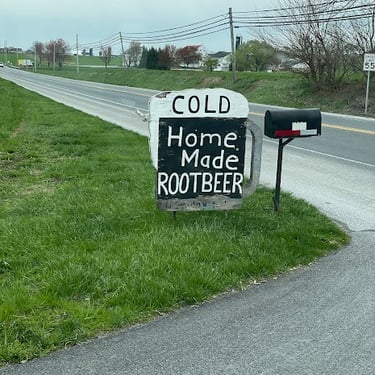
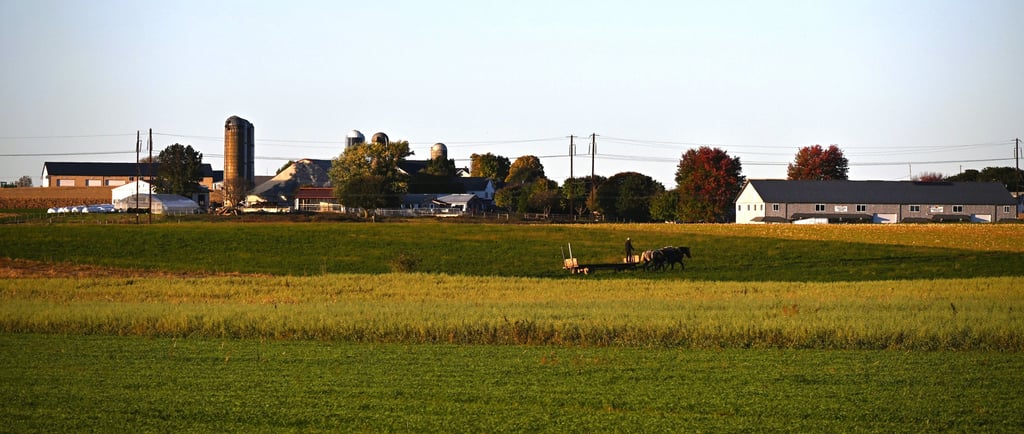
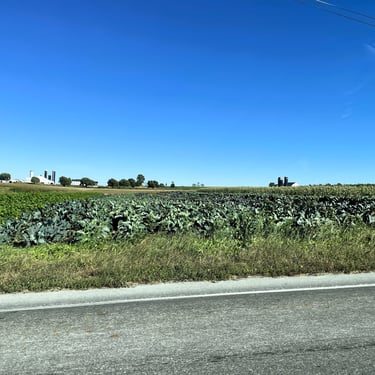
Farming has historically been the backbone of Amish life, but rising agricultural prices and insurance rates have led many families to diversify into small businesses such as woodworking shops, bakeries, quilt making, and produce stands. These enterprises are often family-run and deeply integrated into daily life.
Technology is not outright rejected but evaluated based on whether it strengthens or weakens a family's financial survival. Old Order Amish avoid electricity from public grids, personal automobiles, and unrestricted internet access, while certain tools or technologies may be permitted if they serve the family's business without fostering individualism. However, New Order Amish are permitted the use of public electricity and modern conveniences in both their business and homes.
For visitors, it’s important to remember that the Amish are not a tourist attraction. They are neighbors living out their faith. Observing daily life is a privilege, not an entitlement.
Navigating Amish Country: Practical Guidance
Getting Around
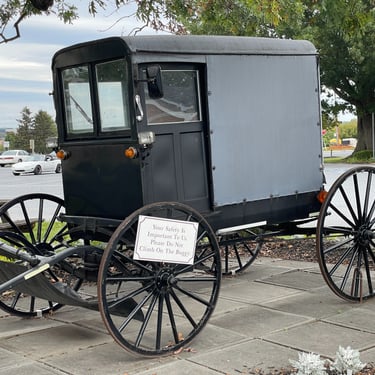
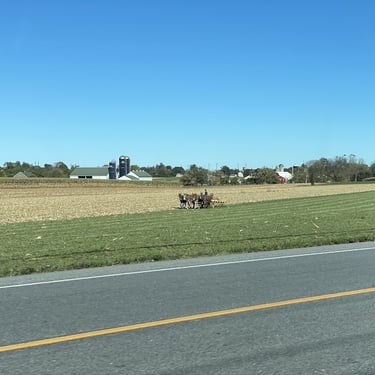
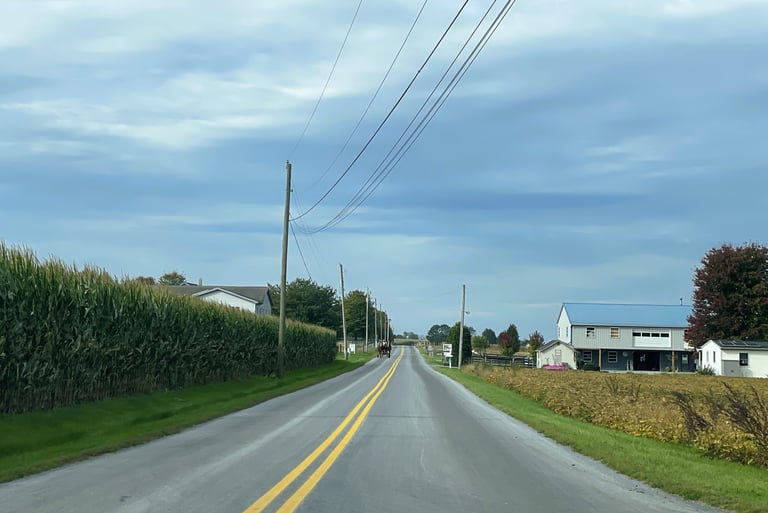
Lancaster County is best explored by car, but driving requires extra awareness. Horse-drawn buggies share the roads, particularly in rural areas. Always slow down when approaching a buggy, never honk, pass only when it is clearly safe to do so, and allow plenty of room between your vehicle and the horse. Many roads are narrow and winding, a reflection of agricultural origins rather than modern traffic needs.
Guided buggy rides are available for visitors to enjoy and offer a quieter, more reflective way to experience the countryside without intruding into private spaces. These tours include stops at Amish roadside stands, businesses, and a few even stop at a working Amish farm.
Understanding Boundaries
Much of Amish life happens on private property. Farms, homes, and schoolhouses are not open to the public unless explicitly stated. Roadside stands and Amish-owned shops are appropriate places to interact with the Amish community, but wandering onto land without permission is strictly prohibited.
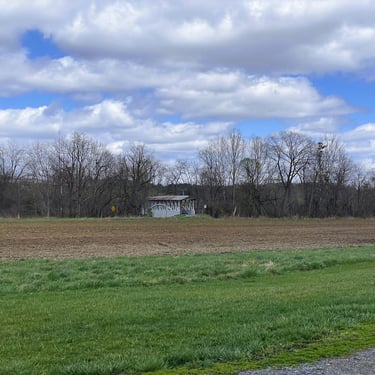
Photography is another important boundary. The Amish avoid being photographed due to religious convictions about humility and graven images. Never photograph Amish individuals, whether they're facing you or not. Scenic landscapes, barns, and buggies from a respectful distance are usually acceptable, but avoidance of Amish individuals is recommended
Shopping and Supporting Local Businesses
Many visitors are drawn to Amish-made goods, from furniture to baked items. When purchasing, remember that these businesses are extensions of family life, not commercial storefronts in the conventional sense. Many Amish businesses are a result of learning a craft and using it as a source of side income. Most stores are found on their homesite in a small building with minimal furnishings. Cash is always preferred, and hours may be limited, as they are only open when they are home.
Take time to speak kindly, be patient, and respect that productivity is balanced with farming and family obligations.
Choosing What to See and What to Skip
Lancaster County offers a wide range of attractions, not all of which reflect Amish values or realities. Some venues prioritize entertainment over education, presenting misleading portrayals of Amish life.
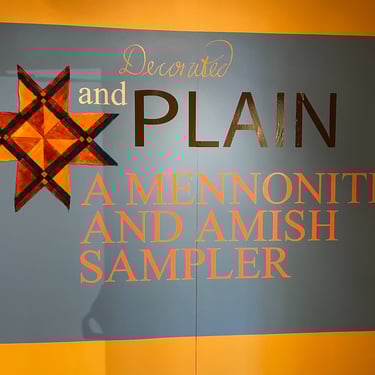
Look instead for experiences rooted in history and storytelling. The Mennonite Life Visitor's Center and locally guided experiences can provide meaningful context while minimalizing turning culture into spectacle.
Equally important is allowing space for stillness. One of the greatest lessons Amish Country offers is the value of slowing down. Driving along a country road, watching the daily Amish farm life, or listening to the sounds of nature at an Amish Creamery can be just as impactful as any scheduled activity.
While Lancaster County is best known for its rural Amish communities, the county also includes Lancaster City - a place shaped by a very different culture of influences. Visitors often assume the two experiences are the same, but they offer contrasting perspectives on history, community, and daily life. If you’re curious about how Lancaster City fits into a visit to Amish Country, I’ve written a separate guide - located here - that explores the city’s character, and historical significance. Experiencing both offers a better understanding of Lancaster County’s past and present.
Visiting with Respect and Purpose
A thoughtful visit to Amish Country is less about checking off activities and more about spirit - how you arrive, how you observe, and how you leave. Curiosity paired with humility opens doors to deeper understanding.
As you travel through Lancaster County, you may find yourself reflecting on your own pace of life, your relationship to technology, and the meaning of community. These reflections are part of what makes Amish Country such a transformational destination.
When approached with respect, Amish Country offers more than a glimpse into another way of life. It offers an invitation to slow down, to notice, and to consider what truly matters.